
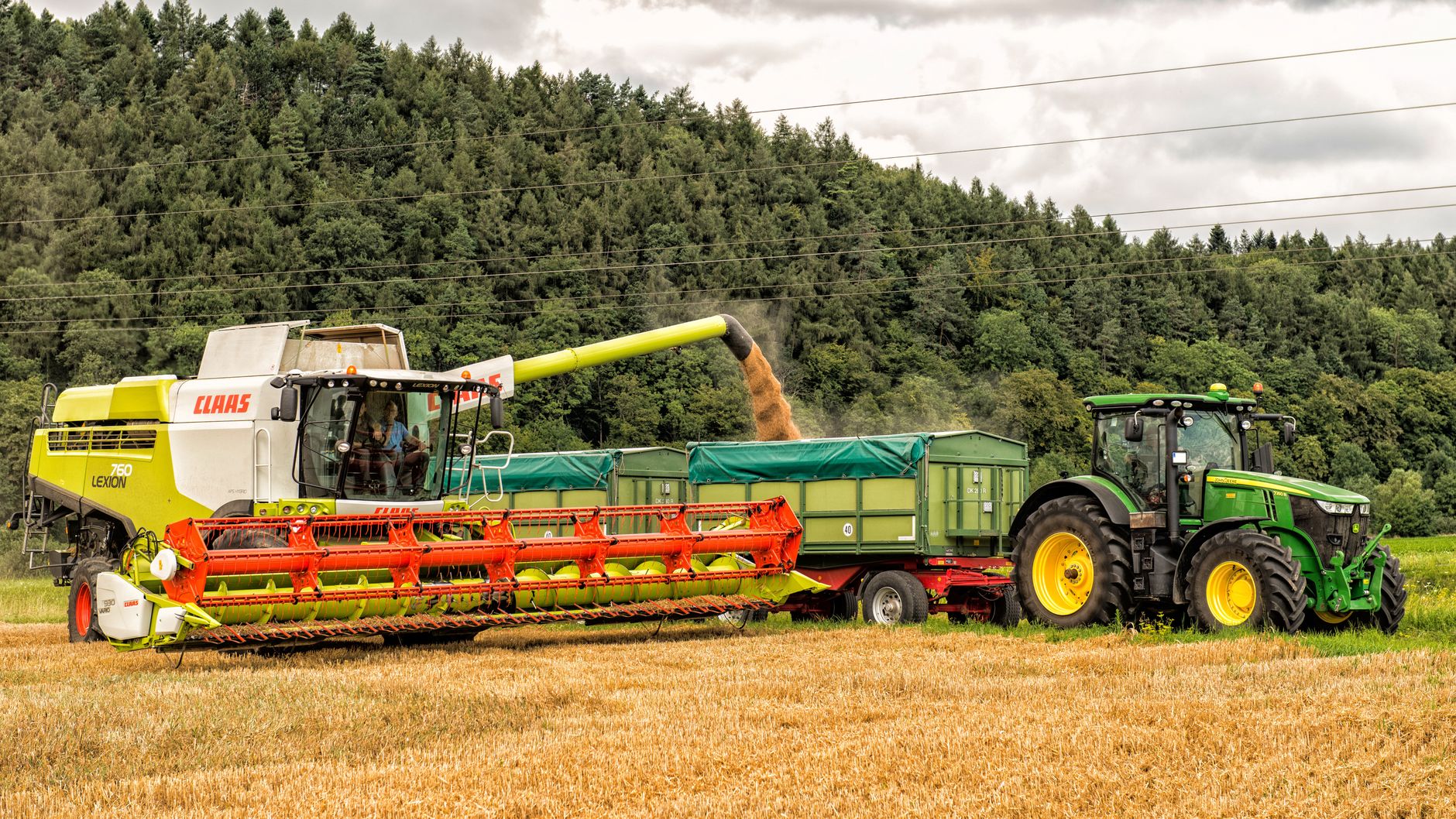
If you need a used farm equipment value that can stand up to a lender, buyer, attorney, or insurer, the first step is not a web search. It is identifying the exact machine and the purpose of the valuation.
A credible number comes from the equipment itself, its condition, and the market evidence available for comparable sales. A quick online guess may be useful as a starting point, but it is not the same thing as a defensible appraisal.
What Actually Drives Used Farm Equipment Value
Used farm equipment is valued by looking at what the machine is, how it has been used, and what the market is paying for similar equipment. Two tractors that look alike at a distance can have very different values once you account for hours, wear, repairs, and configuration.
The basics matter first: exact make, model, year, serial number, and operating hours. If the machine is still in service, the appraiser also wants to know whether it is field-ready, partially down, or missing parts. That starting description sets the premise for the analysis.
- Exact identity of the machine, including model and serial number
- Operating hours and production year
- Whether the equipment is complete and working
- Any rebuilds, major repairs, or missing components
Make, Model, Age, Hours, and Serial Number
Model designation is not just a label. It ties the equipment to its original specifications, options, horsepower class, and market segment. Those details affect how buyers compare it with other units on the market.
Hours are often one of the strongest indicators of remaining utility, but hours only mean something when they are paired with the right machine type and the right condition review. Serial number verification helps confirm the exact configuration and can reveal recalls, upgrades, or version changes that matter in the sale or collateral review.
Condition, Maintenance History, and Working Configuration
Condition is more than paint and appearance. An appraiser wants to know whether the machine starts, runs, lifts, sprays, drills, bales, or harvests as intended, and whether normal wear items still have usable life left. That includes hydraulics, driveline components, tires or tracks, and controls.
Maintenance records help separate routine wear from neglected repair. A well-kept machine with documented service can support a stronger conclusion than a similar unit with unknown history. For a broader look at valuation method, see our guide to how machinery and equipment valuation works and our agricultural equipment appraisal services.
- Service records and repair history
- Evidence of rebuilds or component replacement
- Tire, track, and undercarriage condition
- Whether all attachments and accessories are present
How Appraisers Estimate Market Value
A professional appraiser does not guess from one website or one dealer listing. The analysis is built from recent sales, dealer asking prices, auction results, and other market evidence, then adjusted for differences between the subject machine and the comparable equipment.
That process is meant to answer a specific question: what would a typical buyer pay for this machine, in this condition, as of the effective date of value? That is why premise and effective date matter. A value opinion without them is incomplete.
- Recent closed sales carry the most weight when available
- Dealer asking prices can support market context, but they are not the same as transactions
- Auction evidence helps show what buyers are actually paying in the current market
- The effective date anchors the opinion to a specific point in time
Adjustments for Attachments, Wear Items, Tires, Tracks, and Regional Demand
Farm equipment often changes hands with loaders, headers, planters, GPS systems, duals, or other attachments. Those items can add value, subtract value, or simply change the market segment. The appraiser has to identify what is included and whether the attachment is a standard feature or an added accessory.
Wear items matter too. Tires, tracks, belts, cutting components, and hydraulic parts all affect the price a buyer will pay. Regional demand also matters because equipment in an area with active row-crop, hay, or livestock use may move differently than the same unit in a thinner market. If you want to see how this differs from a distressed-sale analysis, read what liquidation value means in practice.
- Included attachments and implements
- Tire or track condition
- Missing parts or nonstandard modifications
- Local supply, demand, and transportation considerations
Common Mistakes That Skew the Number
One common mistake is relying on asking prices instead of evidence of completed sales. Ask prices tell you what sellers hope to get, not what the market actually cleared at. That can push an estimate too high, especially when the equipment has been listed for a long time.
Another mistake is ignoring repairs, rebuilds, and missing components. A machine can look complete in photos and still need major spending before it is usable. That hidden cost belongs in the analysis because buyers account for it.
- Using listings without checking whether the item sold
- Treating similar-looking equipment as truly comparable
- Overlooking hours, rebuilds, or service gaps
- Forgetting to adjust for missing accessories or worn-out parts
When a Formal Valuation Is Worth Having
A formal valuation is useful when the number has to support a decision, not just satisfy curiosity. That includes loan collateral reviews, equipment sales, partnership changes, estate work, divorce matters, insurance setting, and tax-related reporting where a well-supported value is needed.
In those situations, the party using the valuation usually needs more than an opinion. They need documentation, a clear valuation premise, and a report that follows professional standards. That is where a USPAP-compliant appraisal from Jeff Martin Appraisals for agriculture clients becomes the better tool than an informal market estimate.
- Financing and collateral lending
- Sale, buyout, or partnership change
- Estate, trust, divorce, or bankruptcy work
- Insurance scheduling and coverage review
What to Gather Before You Request an Appraisal
The better the information, the cleaner the analysis. Before you request a valuation, gather clear photos, the make and model, serial number, hours, attachments, maintenance records, and any notes about repairs or recent upgrades. If the machine is not running, say so plainly.
You should also state why you need the value. A lender may want market value as of a specific date, while an estate, divorce, or insurance matter may require a different premise or effective date. If you are still deciding whether to move forward, the contact page at Jeff Martin Appraisals is the right place to describe the asset and the purpose of the valuation.
- Full equipment identification
- Photos from multiple angles
- Usage, service, and repair history
- The reason the valuation is needed and the date it should reflect
Need a Defensible Used Farm Equipment Value?
If you are trying to make a lending decision, document a transfer, or settle an ownership issue, a polished estimate is not enough. You need a value that matches the asset, the market evidence, and the purpose of the assignment.
Jeff Martin Appraisals provides USPAP-compliant appraisal engagements for agricultural equipment and related collateral questions. If you are ready, describe the asset and the reason for the valuation through Jeff Martin Appraisals contact page. If you are not ready to speak yet, the value estimator at /valuation-tool is a softer next step.
Questions We Get Asked
Can I estimate used farm equipment value from online listings alone?
You can use listings as a starting point, but listings are asking prices, not completed transactions. A credible estimate also needs the exact machine details, condition, hours, and recent market evidence tied to a specific effective date.
Why do attachments and tires or tracks matter so much?
Because buyers price the machine as configured. A loader, header, GPS system, worn tires, or tired tracks can materially change what the equipment is worth in the market and what it will cost the next owner to put it to work.
When is a formal appraisal better than an informal opinion?
When the value will support a loan, estate, divorce, insurance placement, partnership change, or another decision where documentation matters. In those cases, a USPAP-compliant appraisal is the more defensible option.


