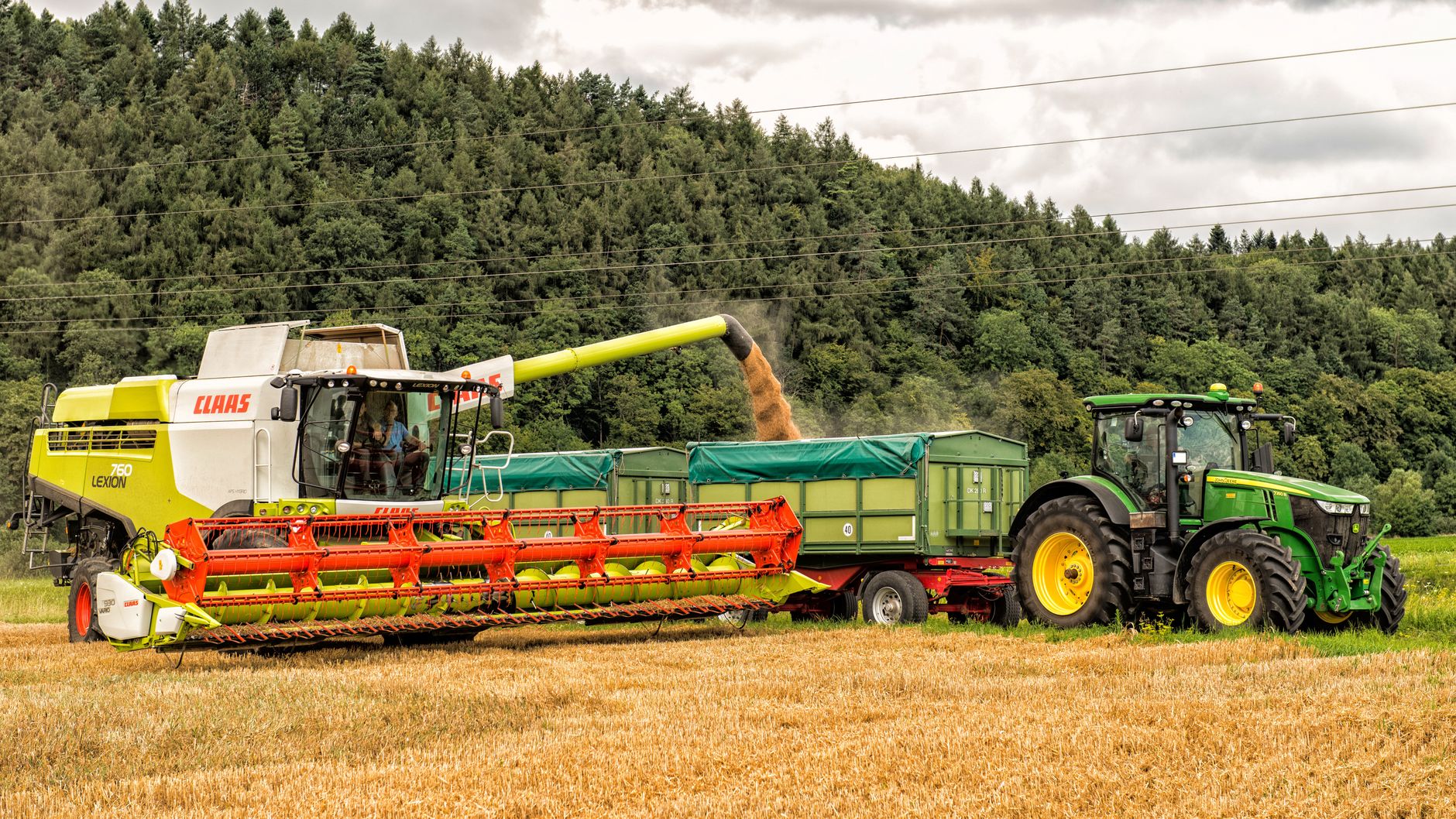
Farm equipment value is not a single number that follows a machine around forever. It changes with the purpose of the valuation, the effective date, the condition of the asset, and the market in which that machine would actually change hands.
A lender, attorney, insurer, or owner may all ask about the same tractor, combine, sprayer, or implement, but the right value premise can be different in each case. That is why a farm equipment value guide has to start with the assignment, not with the sticker on the side panel.
What “value” means for farm equipment
In appraisal work, value is tied to a defined premise and a defined date. For farm equipment, that usually means market value, forced-sale or liquidation value, or an insurance-related value. Each one answers a different question, and each one can produce a different result for the same machine.
That distinction matters because a buyer making a voluntary purchase does not behave like a lender under stress, and neither behaves like an insurer setting coverage. If you want a deeper primer on the assignment process itself, see what goes into an equipment appraisal.
The core factors that move value up or down
Appraisers look at the asset the way a market participant would: what exactly it is, how hard it has been worked, what shape it is in, and where it sits. The same model can carry meaningfully different value indications depending on those facts.
The point is not to guess from one trait. It is to build a defensible opinion from the full set of facts that affect resale, liquidity, and utility.
- Exact identification of the asset
- Condition and remaining useful life
- Market activity for comparable equipment
- Location and transportation considerations
- The valuation premise required for the assignment
Make, model, year, hours, and configuration
A tractor or harvester is not valued as a generic category. The exact make, model, year, serial number, horsepower, drive type, cab package, transmission, guidance technology, and other configuration details all affect where it fits in the market.
Hours matter, but they do not tell the whole story. A lower-hour machine that was neglected, repaired poorly, or stored outside can be worth less than a higher-hour unit with clean maintenance records and no meaningful damage history. That is why a careful agricultural equipment appraisal service starts with identification, not assumptions.
Condition, maintenance, and remaining useful life
Condition is more than paint and appearance. Appraisers consider wear, mechanical function, service history, visible damage, missing parts, rust, tire condition, fluid leaks, and evidence of repairs. The question is how much productive life remains before major capital expense or downtime becomes likely.
A machine with complete maintenance records often supports a stronger analysis because the history helps the appraiser judge risk. By contrast, a unit with patchwork repairs or no records may require more conservative treatment, especially if the assignment calls for a distress-oriented value. Readers comparing these concepts may also find our discussion of orderly liquidation value useful.
Attachments, tires, tracks, and extras
For farm equipment, accessories can matter a great deal. A planter, sprayer, baler, combine, or tractor may include attachments, precision-ag packages, extra heads, implements, or other components that either add utility or need separate treatment. The appraiser has to decide whether those items are part of the unit being valued and whether they contribute to market value in a measurable way.
Consumables and wear items are different from durable extras. Tires, tracks, headers, GPS systems, and specialized attachments can influence value, but only when they are actually installed, functional, and relevant to market demand. A machine with expensive options is not automatically worth more unless the market recognizes those options.
Which value definition applies to the assignment
The purpose of the appraisal drives the value definition. For lending, sale, or partnership decisions, market value is often the starting point because it estimates what a willing buyer and seller would agree on under normal conditions. If you need a broader explanation of how distressed and non-distressed values differ, see net liquidation value explained.
For insurance, estate, divorce, bankruptcy, or tax-related work, the required standard may change depending on the question being asked and the reporting need. The appraiser’s job is not to pick the number that sounds most convenient. It is to develop the value that fits the assignment and explain the reasoning clearly.
- Market value: typical for voluntary transactions and many lending needs
- Forced-sale or liquidation value: typical when time, exposure, or sale pressure is limited
- Insurance-related value: tied to coverage questions, not a sale event
- Estate, divorce, and tax matters: require careful attention to the assignment’s legal and factual premise
What an appraiser reviews before developing an opinion
Before an opinion of value is developed, the appraiser gathers facts about the asset and the market. That usually includes make, model, serial number, year, hours, equipment list, photographs, maintenance records, ownership history, and any information about damage, modifications, or pending repairs.
The market side matters too. Comparable sales, asking prices, dealer activity, auction results, regional supply, and transportation distance all help show what similar equipment is actually doing in the market. Geography can shift value because a machine that sells easily in one region may face weaker demand or higher shipping cost in another. If you are ready to discuss an assignment directly, you can reach Jeff Martin Appraisals with the asset details and the purpose of the valuation.
Common mistakes owners make when estimating value
Owners often look at asking prices and treat them as market evidence. That is a common mistake. Asking prices show what someone hopes to get, not necessarily what the market clears at. Auction results and closed sales usually tell a more reliable story, especially when the asset is similar in age, condition, and configuration.
Another mistake is combining unlike machines. A late-model tractor with precision guidance, low hours, and documented service is not the same as a comparable model that has heavy wear, major repairs, or missing equipment. It is also easy to overlook attachments, shipping costs, and local demand. Those details can make two apparently similar machines appraise differently.
Finally, owners sometimes ask for “the value” without saying why they need it. That leaves out the most important part of the assignment. An appraisal for lending is not the same as one for bankruptcy, estate settlement, divorce, insurance scheduling, or a tax filing.
When to order a USPAP-compliant appraisal and what to send first
Order a USPAP-compliant appraisal when the number needs to stand up to scrutiny from a lender, attorney, accountant, insurer, trustee, or opposing party. If the assignment could be questioned later, the work should be built on a defined premise, relevant market evidence, and a clear report trail.
Before you request the engagement, send the make, model, year, serial number, hours, photos, equipment list, location, maintenance records, and the reason you need the appraisal. That gives the appraiser a factual starting point and helps avoid rework. If you are not ready to speak with someone yet, you can use the Value Estimator as a softer first step, then follow up once you are ready to describe the asset and the valuation purpose.
Questions We Get Asked
Why can two similar farm machines appraise differently?
Because value depends on more than model and year. Hours, condition, maintenance, attachments, geography, market demand, and the purpose of the valuation can all shift the result.
What should I gather before requesting an appraisal?
Start with the make, model, year, serial number, hours, photos, equipment list, maintenance records, location, and the reason you need the valuation. Those details help the appraiser define the asset and the correct premise of value.
Is an asking price the same as market value?
No. An asking price is only an offer or a hope. Market value is developed from market evidence and tied to a stated effective date and valuation premise.
When do I need a USPAP-compliant appraisal?
You need one when the value will be used in a setting that may be reviewed, challenged, or relied on by a lender, attorney, accountant, insurer, trustee, or court-related party.