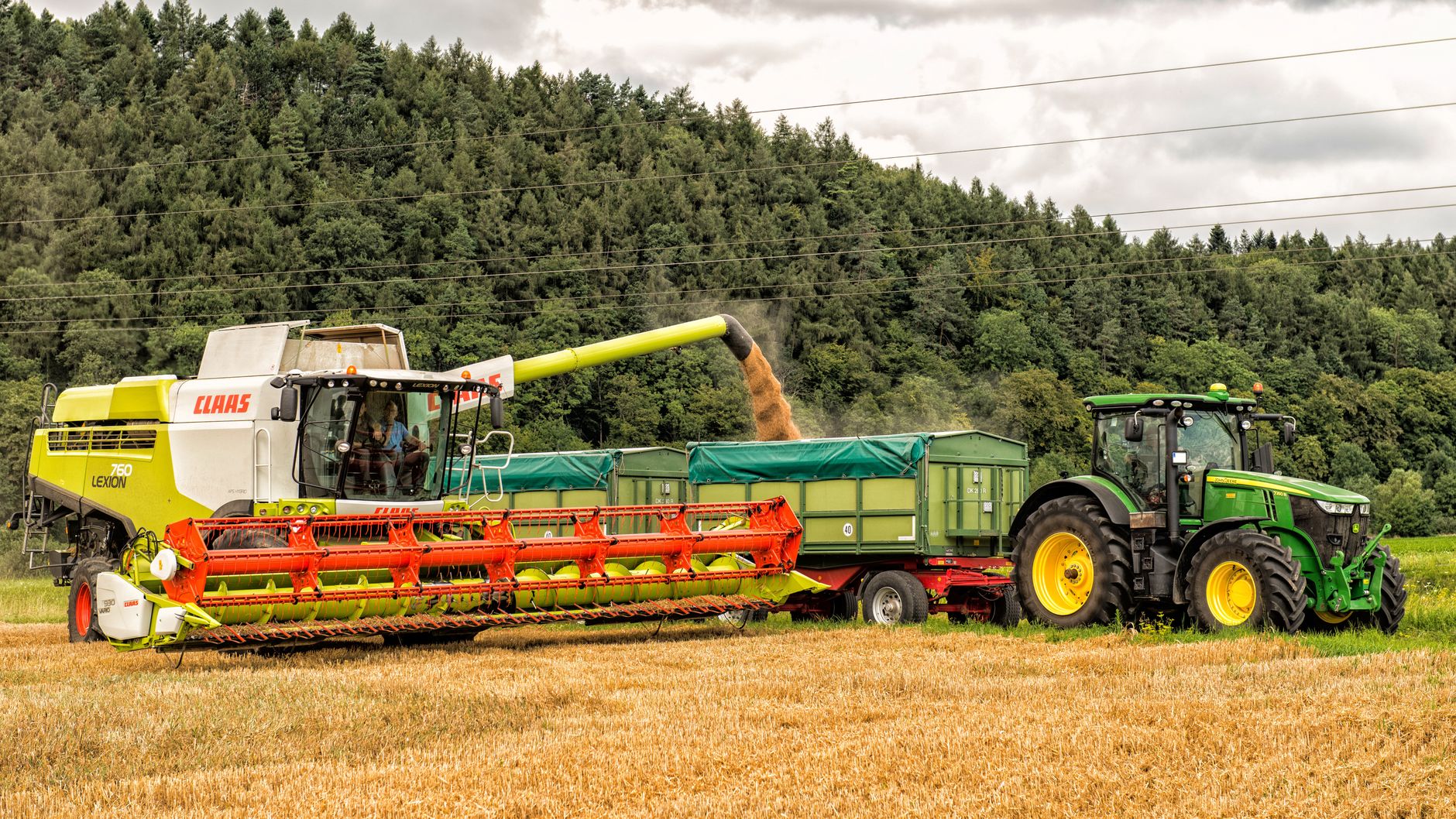
Tractor valuation starts with a simple question: what exactly is being valued, and for what purpose? A lender, owner, attorney, or insurer may all need a different conclusion even when they are looking at the same machine.
A tractor is not valued by appearance alone. An appraiser looks at identification, condition, usage, configuration, and market evidence, then ties those facts to the intended use of the appraisal. That is what makes the result defensible under USPAP and useful to the client.
What an appraiser looks at first
The first step in a tractor valuation is proper identification. That means recording the make, model, serial number, model year if it can be confirmed, drivetrain, horsepower class, and any major attachments or options that change utility or marketability. If the tractor has been modified, the appraiser has to understand whether those changes help value, hurt value, or have no real effect in the market.
Next comes the basic condition inspection. An appraiser is looking for signs of wear, repairs, missing components, fluid leaks, tire condition, cab condition, start-up behavior, and evidence of whether the machine has been maintained or neglected. In a formal assignment, that inspection is not a guess from photos alone. It supports the report’s assumptions and the final opinion of value.
If you want to see how this works in the broader farm-equipment setting, our guide on valuing used farm machinery shows how appraisers compare condition and market data across several equipment types.
The factors that move tractor value
Several factors usually carry the most weight in tractor valuation. Hours of use matter because they are a practical measure of wear, but hours alone do not tell the whole story. A well-maintained tractor with higher hours may be more marketable than a lower-hour tractor with poor maintenance history, damaged components, or deferred repairs.
Condition also matters in layers. Cosmetic condition affects buyer perception, but mechanical condition affects utility. An appraiser considers tires, engine performance, transmission behavior, hydraulics, PTO function, cab features, lighting, electronics, and whether the tractor is field-ready or needs immediate work. Rebuild history can either support value or raise questions, depending on what was replaced and how well it was documented.
Make, model, age, and series changes also matter. In some brands, one series update can change demand enough to move value meaningfully. A newer serial-number break may bring better controls, emissions equipment, or transmission options. Or it may introduce concerns about parts availability and repair cost. That is why a tractor valuation has to be based on the specific machine, not a broad category average.
For clients who need a broader framework, our agricultural equipment appraisal services page explains how Jeff Martin Appraisals handles farm machinery assignments across lending, transfer, insurance, and dispute settings.
- Hours and wear: useful, but not sufficient by themselves
- Maintenance and rebuild history: often critical to buyer confidence
- Configuration: cab, 4WD, loader, transmission, and electronics can change demand
- Marketability: local demand and brand reputation can affect the result
How market evidence is used in a tractor valuation
A defensible appraisal does not rely on one asking price or a single online listing. The appraiser gathers market evidence from comparable sales, dealer asking data when appropriate, auction results, and other credible indicators, then adjusts for differences in age, condition, hours, features, and geography. The goal is not to average numbers mechanically. It is to analyze which comparisons are truly similar and which are not.
Comparable sales are especially important when the assignment requires a market value conclusion. But not every sale is equally relevant. A distressed auction result, a dealer retail listing, and a private sale may each tell a different story. The appraiser has to decide which evidence fits the premise of value and the effective date, then explain that reasoning in the report.
This is also why two similar tractors can appraise differently. One may have clean maintenance records, a desirable loader package, and strong demand in its region. The other may have higher hours, worn tires, nonstandard repairs, or a configuration that limits its buyer pool. The market does not reward cosmetic similarity alone. It rewards utility, confidence, and fit to demand.
If the assignment is tied to financing, the structure of the report matters just as much as the conclusion. Our article on what belongs in a collateral valuation report explains how evidence, assumptions, and intended use should line up.
Why the intended use of value changes the conclusion
The purpose of the appraisal affects how the work is framed. For lending, the lender may need a value conclusion that supports collateral analysis. For sale or trade-in decisions, the owner may want a market value opinion that reflects current buyer behavior. For estate, partnership, or litigation work, the report may need a more precise effective date and a clearer explanation of the market conditions in force on that date.
Insurance assignments can also call for a different kind of analysis. The question may not be what the tractor would bring in a transaction today, but what coverage basis is appropriate under the policy and the client’s risk context. Tax-related work may require careful attention to the reporting purpose without drifting into advice about how to file. In every case, the appraiser should state the premise of value and the effective date plainly.
That is why a tractor valuation is never just a price check. It is a defined opinion for a defined purpose. If those pieces are not identified up front, the number can be misleading even when the underlying data is sound.
- Lending: collateral support and market analysis
- Sale or trade: current buyer demand and condition
- Estate, partnership, or litigation: specific effective date and documented evidence
- Insurance: coverage basis and policy context
When to order a formal appraisal and how to start
A formal appraisal is the right move when the result may be scrutinized by a lender, attorney, accountant, insurer, court, or another third party. It is also the better choice when the tractor is unusual, heavily used, modified, or part of a larger fleet where small differences in specification can materially affect value. In those cases, a quick estimate is usually not enough.
If you need a report, start by gathering the basics: make, model, serial number, year if known, hours, photos, attachment list, maintenance records, repair history, and the reason you need the value. That gives the appraiser the facts needed to define the assignment and scope the inspection properly. It also helps avoid delays caused by incomplete identification or missing equipment details.
Jeff Martin Appraisals provides USPAP-compliant engagements for agricultural equipment, including tractors used in lending, sale, estate, insurance, and dispute work. If you are ready to move forward, describe the tractor and the intended use of value through Jeff Martin Appraisals contact form. If you are not ready to speak with someone yet, the Value Estimator is a useful place to start with a softer first step.
Questions We Get Asked
Why can two similar tractors have different values?
Because value depends on more than the badge on the hood. Hours, maintenance, tire wear, repairs, configuration, market demand, and the intended use of the appraisal can all move the conclusion. Similar-looking tractors may not have similar utility or buyer appeal.
Do hours matter more than age in tractor valuation?
Hours are very important, but they are not the only factor. A newer tractor with poor maintenance can be worth less than an older tractor that has been cared for well. An appraiser weighs hours alongside condition, repairs, features, and market evidence.
What information should I have ready before ordering an appraisal?
The most useful items are make, model, serial number, approximate age, hours, photos, attachment list, maintenance records, repair history, and the reason you need the value. Those details help define the assignment and support a more accurate inspection and report.
Can a tractor appraisal be used for lending, estate, insurance, or litigation?
Yes, but the premise of value and effective date must match the assignment. A lender, insurer, attorney, or accountant may need a different framing of value, so the appraiser should tailor the work to the stated purpose.