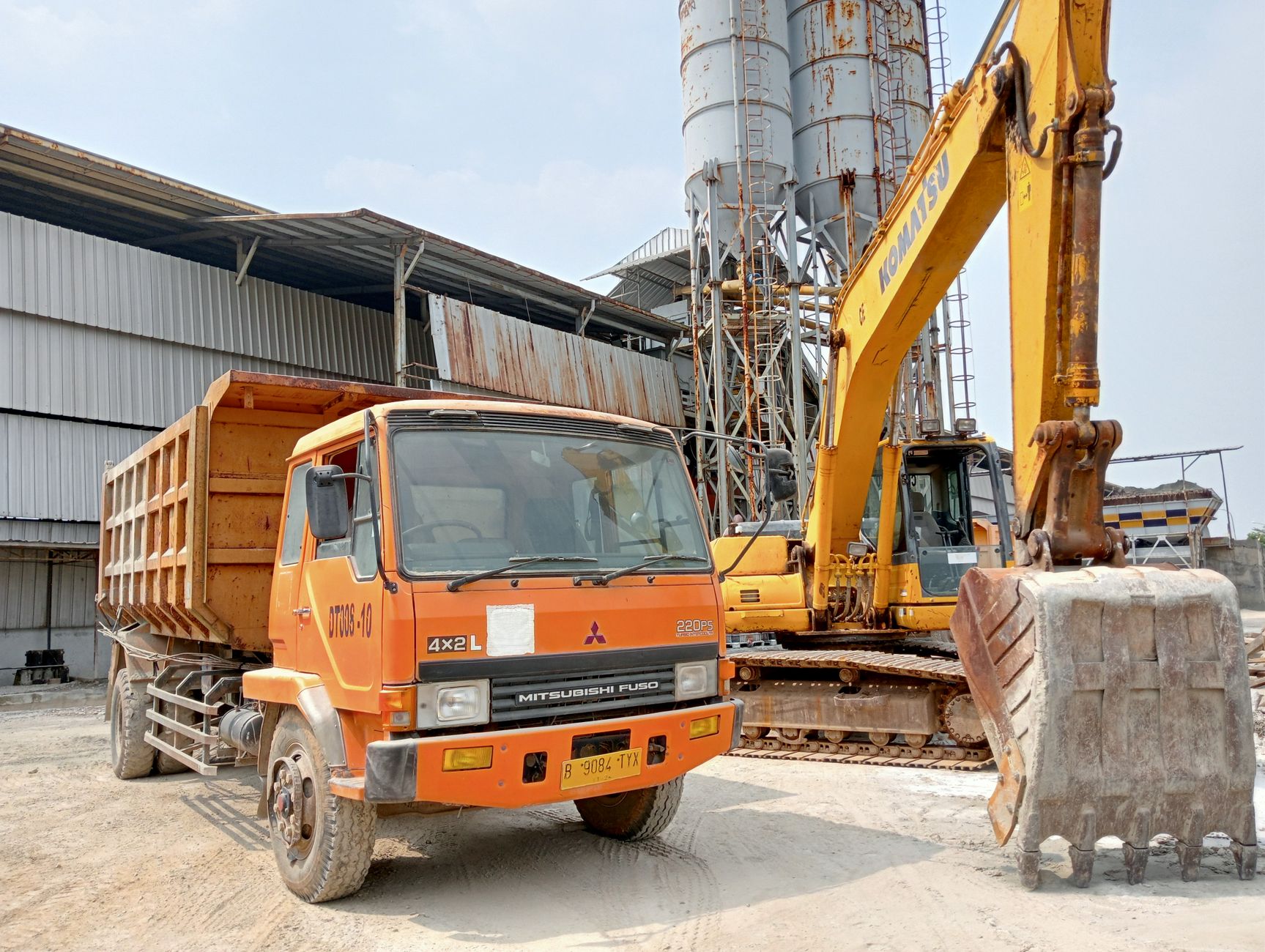
If you are trying to value a dozer, excavator, loader, backhoe, or fleet of jobsite machines, the first question is simple: value for what purpose? The answer changes the premise of value, the evidence an appraiser uses, and sometimes the number itself.
This construction equipment value guide explains the main value definitions, the factors that move equipment value up or down, and how Jeff Martin Appraisals supports a defensible opinion for lending, sale, partnership changes, tax work, litigation, or insurance.
What “value” means for construction equipment
Construction equipment does not have one universal value. An excavator can support a different conclusion depending on whether the assignment is for a loan, a sale, an estate, a divorce, a bankruptcy filing, or insurance scheduling. In appraisal work, the premise of value and effective date matter as much as the machine itself.
That is why a real appraisal starts with the intended use. The same machine may be analyzed as a going concern asset, a marketable used unit, or a piece of collateral that may need to be converted under time pressure. If you want a broader overview of the category, see our heavy equipment valuation guide.
Market value, orderly liquidation value, and forced liquidation value
Market value is the price a typical buyer would pay a typical seller in an open market, with both sides informed and under no compulsion to act. In construction equipment work, that usually means looking at what similar machines have actually sold for, then adjusting for condition, hours, age, features, and market timing.
Orderly liquidation value is lower. It assumes the asset will be sold in a controlled but limited marketing period, with some pressure to convert to cash. Forced liquidation value is lower still. It assumes a distressed sale with very little time and less room to market the equipment properly. For a deeper definition, read our guide to orderly liquidation value.
Why the intended use of the report changes the answer
A lender usually cares about collateral behavior. An owner selling a machine cares about likely transaction price. An attorney may need a value tied to a legal date, not today’s market. An insurer may need a value that supports coverage decisions rather than sale price. The assignment drives the definition.
That is why two reports on the same machine can legitimately reach different conclusions. The numbers are not random; they are anchored to different premises of value, different market evidence, and different levels of selling pressure. If your goal is financing, collateral review, or a formal engagement, explore our heavy equipment appraisal services.
The main factors that affect construction equipment value
The biggest drivers are usually make, model, hours, age, condition, maintenance, and market demand. A late-model machine with documented service history and strong buyer demand will usually support a better conclusion than a similar unit with unclear records or visible wear.
Value also shifts with configuration. Standard machines often trade differently than units with specialty booms, undercarriage options, climate-controlled cabs, or other equipment-specific features. Seasonality and regional demand matter too. A machine that is easy to place in one market may be slower to sell in another.
- Make and model reputation in the used market
- Total operating hours and how those hours compare to typical life
- Age, edition, and whether parts/support are still easy to source
- Visible condition, wear, repairs, and operating readiness
- Service logs, oil analysis, repair history, and rebuild documentation
- Attachments, buckets, couplers, thumbs, breakers, and other included tooling
- Current demand for that type of machine in the relevant market
Hours, age, condition, maintenance, and attachments
Hours are one of the first things buyers look at, but hours alone do not tell the whole story. A well-maintained machine with moderate hours may be more marketable than a lower-hour unit that has been abused or neglected. An appraiser looks for consistency between the hour meter, the physical condition, and the service record.
Maintenance history is especially important when the assignment requires a defensible opinion. Records that show scheduled service, major repairs, undercarriage replacement, engine work, or component rebuilds can support the analysis. Attachments matter too, but only when they are part of the value premise and actually transfer with the unit. Bundled attachments can add value, yet the market may not give dollar-for-dollar credit for every item installed on the machine.
How an appraiser builds a defensible value opinion
A defensible opinion starts with identification. The appraiser confirms the equipment type, manufacturer, model, serial number, configuration, and any major options or attachments. If the assignment requires it, the appraiser also inspects the machine in person or reviews reliable photo and documentation evidence.
From there, the appraiser researches comparable sales and other market indicators. Those comparables are then adjusted for differences in hours, condition, location, timing, and equipment features. The final opinion is not a guess; it is a reasoned conclusion supported by market evidence and explained in the report. For a broader look at methodology, see how machinery and equipment valuation works.
- Identify the asset precisely
- Define the premise of value and effective date
- Collect comparable sales and other market data
- Adjust for differences that matter to buyers
- Reconcile the evidence into a final opinion
- Document the logic so another professional can follow it
Common reasons owners, lenders, and attorneys order valuations
Owners often need values for sale decisions, partnership buyouts, internal planning, or tax-related reporting. Lenders and underwriters use valuations to understand collateral strength and loan risk. Attorneys and accountants may need support for estate administration, divorce, shareholder disputes, bankruptcy, or litigation.
Insurance professionals also order valuations to set coverage thoughtfully. In that setting, the question is not simply what the machine might sell for today, but what value basis best fits the policy and the risk being insured. Each use case asks a different question, so the appraisal has to answer the right one.
- Loan underwriting and collateral review
- Purchase, sale, or trade decision support
- Partnership changes and buy-sell matters
- Estate, trust, and related tax filings
- Bankruptcy and litigation support
- Insurance scheduling and coverage review
What information to gather before requesting an appraisal
The more complete the intake information, the cleaner the appraisal process. At minimum, be ready to provide the equipment type, manufacturer, model, serial number, meter or hour reading, and a few current photos from multiple angles. If the machine has attachments, list those as well.
Ownership history, maintenance records, repair invoices, and any prior appraisal or listing information can help the appraiser separate market evidence from guesswork. If you want to start a conversation, you can use our contact form to describe the asset and explain why you need the valuation. If you are not ready to speak with someone yet, the Value Estimator is a lower-friction place to begin.
- Serial number and asset identification
- Hour meter or operating hours
- Clear photos of all sides and major components
- Attachments included with the machine
- Service records and repair history
- Ownership or title information, if available
Questions We Get Asked
Why can two appraisals of the same machine be different?
Because they may be answering different questions. A market value opinion, an orderly liquidation value opinion, and a forced liquidation value opinion are not meant to be the same number. The effective date, intended use, and market evidence also affect the result.
Do attachments always increase construction equipment value?
Not automatically. Attachments can help when they are relevant, in good condition, and marketable with the unit, but the market may not assign full retail cost to every item. Their contribution depends on the equipment class, the buyer pool, and whether the accessories actually transfer in the transaction.
What is the most important thing to provide before an appraisal starts?
Provide the equipment identification, the hours or meter reading, and a clear explanation of why the valuation is needed. That allows the appraiser to choose the correct premise of value and collect the right market data from the start.