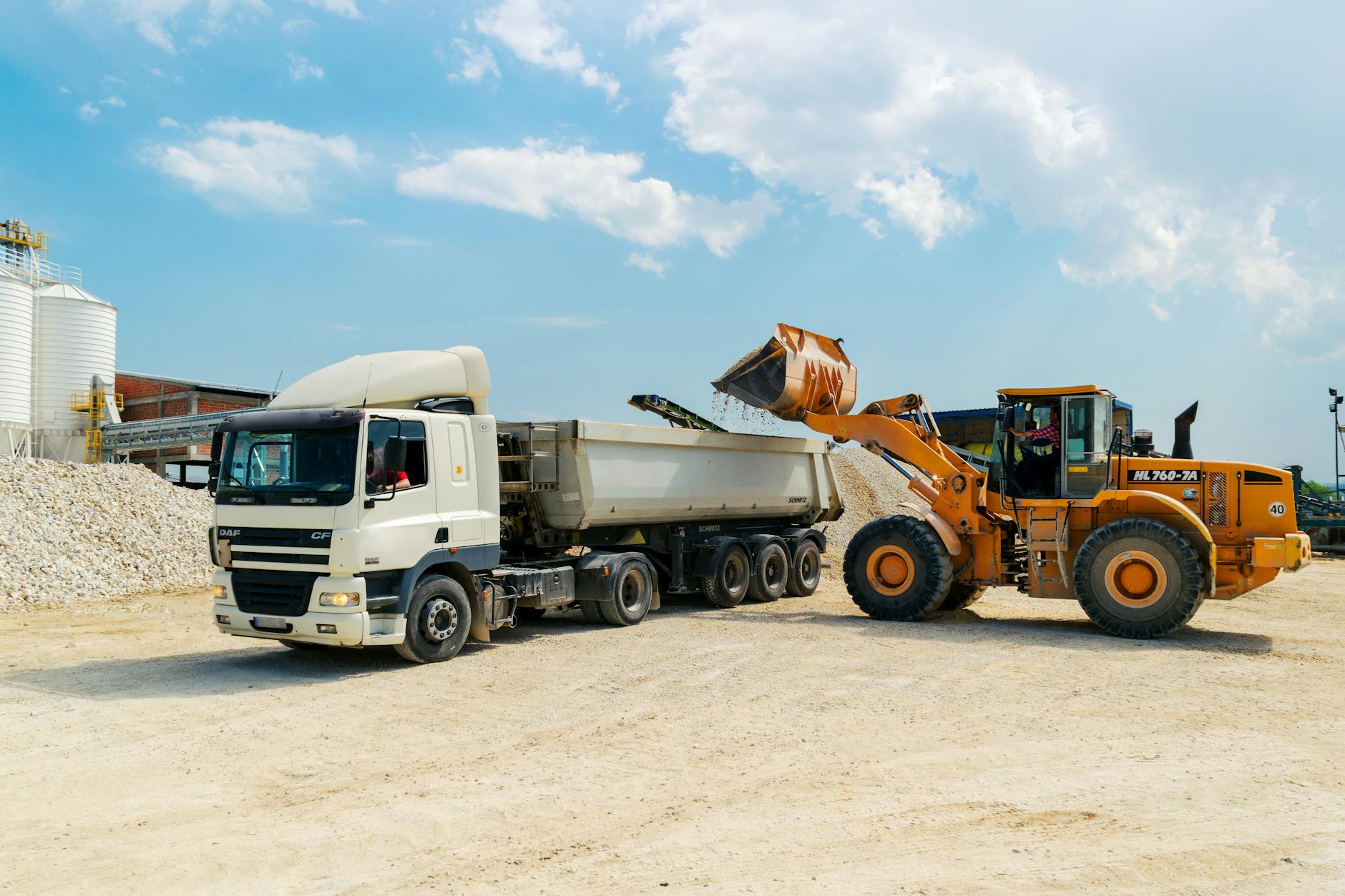
When a lender, owner, attorney, or accountant needs a defensible value for equipment or a fleet, the collateral valuation process should start with a clear assignment purpose. The process is not just about finding a number. It is about defining the right value premise, gathering the right facts, and supporting the conclusion with market evidence.
At Jeff Martin Appraisals, that means treating each assignment as a technical problem with a practical answer. The steps change with the intended use, loan structure, legal context, and condition of the assets, but the underlying method stays the same: identify the collateral, inspect what matters, analyze the market, and report a conclusion that can be explained.
What a collateral valuation is—and when it is used
A collateral valuation is an appraisal assignment designed to support a lending decision or another secured-interest need. It is commonly used for equipment financing, portfolio review, refinancing, partnership changes, insurance discussions, estate work, litigation support, and bankruptcy-related matters. The value conclusion must fit the purpose of the assignment, not the other way around.
For that reason, the first question is always: what is this value supposed to support? A loan decision may call for a different standard of value than a tax filing or a dispute involving damages or distribution. If you want a deeper primer on the term itself, see our related guide on what collateral valuation means in practice.
In lending work, the appraisal is usually meant to help answer how the collateral performs in a real market if the loan ever needs to be supported, monitored, or liquidated. That is why the collateral valuation process depends so heavily on context, asset type, and condition.
Step 1: Define the assignment purpose, intended use, and standard of value
The process begins by defining the assignment. A lender may need a value for underwriting or collateral monitoring. An owner may need a value for a sale, a buyout, or a loan application. An attorney or accountant may need a value that can stand up in court, on a balance sheet, or in a file that will be reviewed later by a third party.
This step sets the rules. The intended use determines who will rely on the appraisal. The standard of value determines how market evidence is interpreted. The effective date tells the appraiser the exact point in time being analyzed. Without those elements, the conclusion can drift into a number that sounds useful but is not actually fit for the assignment.
- Intended use: why the appraisal is being ordered
- Intended users: who will rely on the report
- Standard of value: the value definition required for the assignment
- Effective date: the date the value opinion applies to
- Scope of work: how much research and inspection are needed

Step 2: Identify the collateral and collect the right asset details
Once the purpose is clear, the appraiser identifies the collateral in detail. For equipment and fleets, that usually means make, model, year, serial number or VIN, configuration, attachments, hours or mileage, and any material modifications. The goal is not just to name the asset, but to separate it from similar units that may differ in the market.
This is also where the assignment scope gets shaped by the asset list. A mixed fleet may include different classes of trucks, trailers, or specialty equipment with very different market behavior. A lender’s file may require a narrower review than a litigation assignment. The better the asset identification, the more reliable the value conclusion will be.
Documents and records help establish what exists, how it has been used, and what condition it is likely to be in. For many assignments, Jeff Martin Appraisals will ask for records that support the asset description before moving into field inspection or market research. If you are seeking financing support, our equipment financing appraisal overview explains how collateral assignments are typically structured.
- Asset lists or schedules
- Titles, registrations, or serial number records
- Maintenance logs and repair history
- Service contracts or upgrade records
- Purchase documents, prior appraisals, or financing schedules
- Photos taken recently from multiple angles
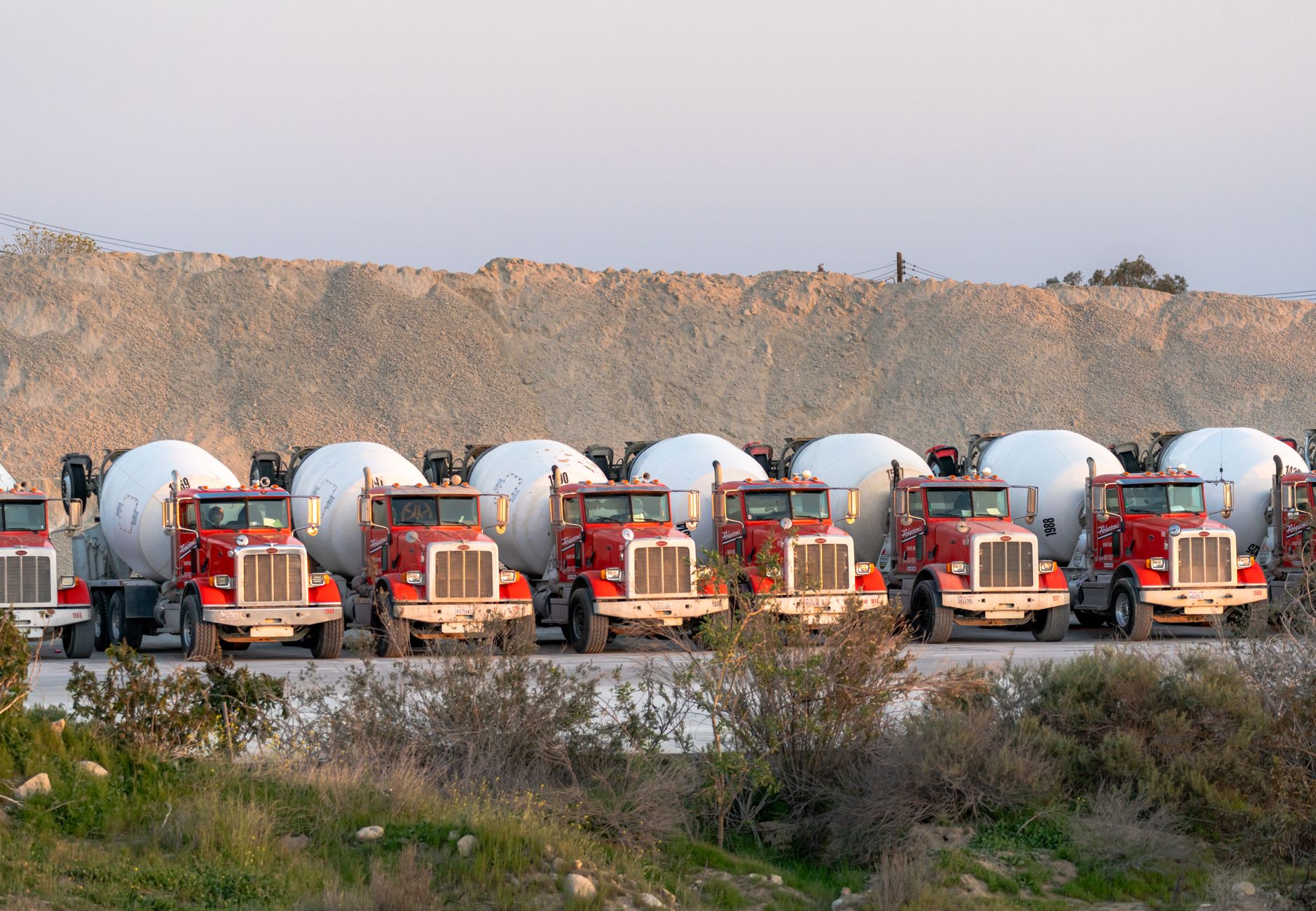
What documents, photos, and records help establish the equipment or fleet
The best file package tells the story of the asset without forcing the appraiser to guess. Clear photos can show condition, usage patterns, missing components, tire wear, corrosion, cab condition, or signs of neglect. Maintenance records can show whether the asset has been cared for or worked hard. Utilization data can help explain why two similar units may not trade the same way.
Records do not replace inspection, but they do make the inspection more efficient and more accurate. They also help the appraiser verify that the asset being valued is the same one identified in the lender’s or owner’s records. That matters in collateral work because a clean paper trail can reduce confusion later if the report is reviewed by a lender, auditor, attorney, or insurer.
Step 3: Inspect condition, usage, and marketability
Inspection is where the paper description meets the physical asset. The appraiser looks at condition, functional utility, age, wear, maintenance, visible damage, and any features that affect market acceptance. For fleet work, that may include multiple units with different mileage, repair histories, or service roles. For equipment, it may include attachments, controls, operating condition, or evidence of overuse.
Just as important is marketability. A unit can be fully operational and still be more difficult to sell if it is heavily specialized, poorly maintained, or configured in a way that narrows the buyer pool. Conversely, well-kept, widely used assets often have a broader market. In a collateral valuation process, those distinctions matter because the market—not the owner’s original cost—drives the opinion of value.
Condition also interacts with assignment purpose. A lender concerned with secured lending risk may want one perspective on the asset’s market behavior, while an attorney or accountant may need a report that addresses a different set of assumptions. That is why the valuation process changes with the legal or financial context, even when the same machine or vehicle is involved.
Step 4: Research market evidence, reconcile approaches, and report the conclusion
After inspection, the appraiser researches market evidence. That can include comparable sales, dealer asking data when appropriate, auction results, industry pricing guides, and other market indicators that fit the assignment. The key is relevance. The best comp is not the closest in distance alone; it is the one that most closely matches the asset, timing, condition, and market segment involved.
From there, the appraiser applies the valuation methodology that best fits the assignment. Depending on the asset and the available data, that may involve a sales comparison approach, cost considerations, or an income-related lens when the assignment supports it. The results are then reconciled. Reconciliation is the part where the appraiser weighs the evidence, explains any outliers, and arrives at the most supportable conclusion.
For a broader look at appraisal mechanics, see our explanation of how machinery and equipment valuation is performed. And if you are comparing this work to other appraisal costs or engagement factors, our article on what affects equipment appraisal pricing helps show why scope and context matter.
The final report should explain the assignment, describe the collateral, state the effective date and standard of value, summarize the data reviewed, identify the reasoning behind the conclusion, and present the opinion in a way that can be followed by the intended user. Under USPAP, that transparency is not optional. It is what makes the assignment defensible.
- Research market evidence that fits the asset and the date of value
- Use valuation methods that match the assignment purpose and available data
- Reconcile differences among comparable indicators
- Document assumptions, limiting conditions, and scope of work
- Report the conclusion clearly enough for lender, owner, attorney, or accountant review
Questions We Get Asked
Why does the collateral valuation process change from one assignment to another?
Because the intended use, standard of value, effective date, legal context, and asset condition all affect how the appraisal is developed. A lending assignment is not analyzed the same way as a litigation, estate, or tax-related assignment, even if the collateral is similar.
Do you need to inspect the equipment or fleet to complete a defensible valuation?
In most collateral assignments, yes. Inspection helps confirm the asset identity, condition, usage, and marketability. A report based only on a description is usually weaker than one supported by direct observation and documentation.
What should I send before requesting an appraisal?
Start with the asset list, serial numbers or VINs, photos, location, usage history, and the reason the valuation is needed. The clearer the purpose, the better the assignment can be scoped.
Can the same report work for both a lender and a legal matter?
Not automatically. The report has to match the intended use and standard of value. If the purpose changes, the scope and sometimes the valuation premise may need to change as well.