When a lender asks what can be used as collateral for a loan, the short answer is: assets that can be identified, documented, and reasonably recovered if the borrower defaults. In practice, that usually means tangible business assets with a clear ownership trail and enough marketability to support lending.
The asset itself is only part of the story. Lenders also look at condition, age, liens, title, and how easily the collateral could be sold in the real world. That is where a defensible appraisal can help. It gives everyone involved a clearer view of what the asset may support for lending purposes, based on the stated premise of value and effective date.
What lenders usually accept as business loan collateral
Most business loans are secured by assets that have a verifiable value and a path to recovery. Common forms of collateral include equipment, vehicles, inventory, accounts receivable, and real property. Some lenders will also consider a mix of assets, depending on the loan structure and the borrower’s credit profile.
The key issue is not simply whether an asset has value on paper. Lenders want collateral they can document, monitor, and liquidate if needed. That is why the same asset may be acceptable in one financing scenario and too weak, too specialized, or too difficult to verify in another.
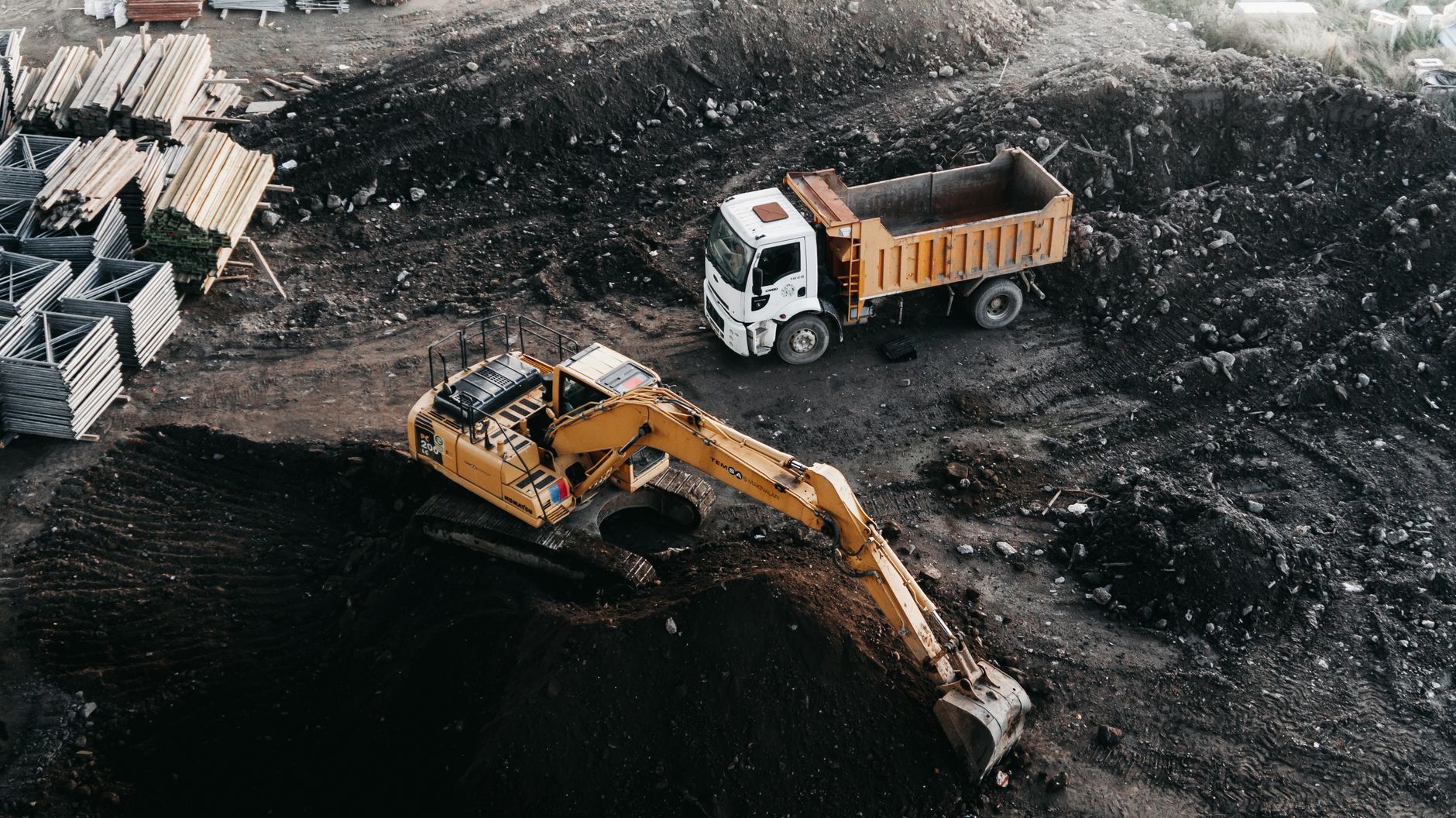
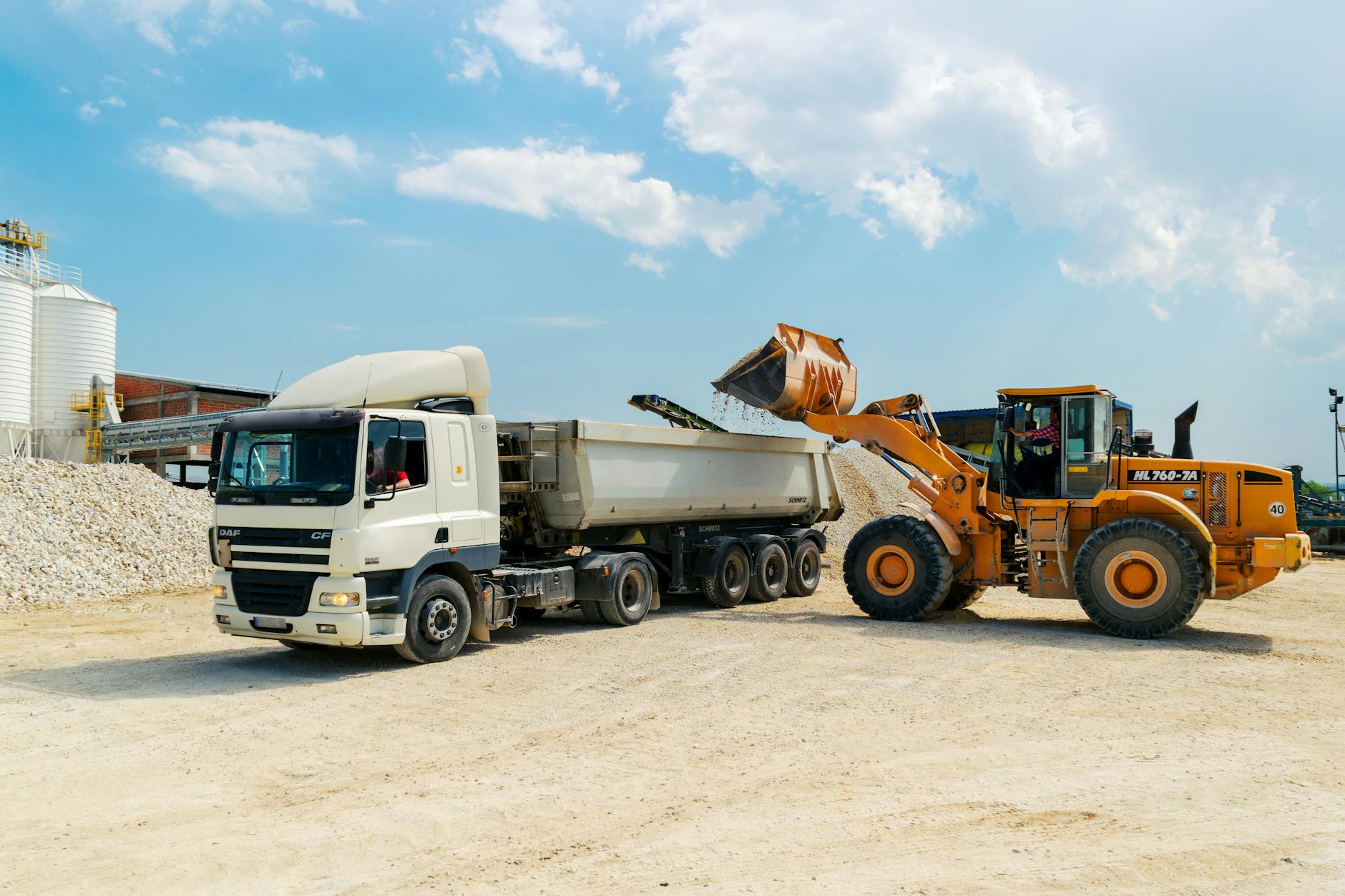
- Equipment used in the business, such as trucks, trailers, tractors, generators, or specialty tools
- Fleet vehicles with clear title and a documented service history
- Inventory that can be counted, described, and verified
- Accounts receivable that can be aged, assigned, and collected
- Real estate with recorded ownership and a clear lien position
Common collateral types: equipment, vehicles, inventory, receivables, and real estate
Business equipment is one of the most common collateral categories because it is tangible, identifiable, and often tied directly to operations. Vehicles and fleet assets are also frequent candidates because they can usually be titled and tracked. In some cases, lenders may accept inventory or accounts receivable, especially when the business has stable records and an established borrowing relationship.
Real estate is often treated differently from movable business assets because it usually has broader market appeal and a deeper financing market. Still, many business borrowers rely on a combination of assets. If you want more background on the valuation side of financing, see our guide on what a collateral valuation report includes.
When the collateral is equipment rather than property, lenders often want a clearer read on marketability and expected recovery. That is one reason businesses ask about equipment financing appraisals before they finalize loan terms.
- Titled assets are easier to document than untitled assets
- Assets with active market demand are generally easier to lend against
- Collateral with incomplete records can slow underwriting or reduce loan support
Why the asset’s value matters more than the purchase price
A lender is usually interested in what the asset could support in the present market, not what it cost when it was new. Purchase price may be useful context, but it does not establish collateral strength. An older machine can still have supportable collateral value if it is in good condition and has an active secondhand market. A newer one may not, if demand is weak or the model is highly specialized.
That is why appraisers focus on current market behavior, not just the original invoice. In a collateral setting, the relevant question is often how well the asset would perform under a sale scenario. For a deeper look at the process, read how the collateral valuation process works.
- Condition affects resale appeal and expected recovery
- Age matters, but only as it affects utility and market acceptance
- Utilization and maintenance can influence remaining service life
- Make, model, and configuration can help or hurt demand
- Secondary market depth often drives collateral strength
What can complicate collateral approval
Several issues can make a lender cautious. Existing liens are a common one. If another lender already has a claim on the asset, that affects priority and may limit how much new credit the collateral can support. Title problems, ownership questions, and missing records can create the same issue. If the borrower cannot clearly show what is owned and what is encumbered, underwriting becomes harder.
Fast-depreciating assets are another concern. Some equipment loses market appeal quickly because of age, wear, technology changes, or limited secondary demand. Specialized machinery can be especially complicated because the buyer pool may be narrow. For a broader discussion of recovery value, it can help to understand what liquidation means in an asset context.
- Open liens or disputed lien positions
- Missing titles, bills of sale, or serial number records
- Questions about who actually owns the asset
- Assets with limited resale demand
- Condition issues that reduce recoverable value
How equipment appraisals support lending decisions
A third-party appraisal can help a lender, owner, attorney, or accountant see the asset through a neutral lens. In a financing file, that usually means establishing a supportable opinion of value based on the stated purpose, the effective date, and the relevant market data. For equipment and fleets, a USPAP-compliant appraisal can add structure and credibility to the lending file.
Depending on the assignment, the appraiser may consider market value, orderly liquidation value, or another premise tied to the intended use. That does not mean the appraisal sets the loan amount by itself. It means the report gives the decision-maker a defensible starting point. If you want to understand the contents of the report itself, see what collateral valuation is.
- Helps support loan-to-collateral analysis
- Provides documentation for underwriting files
- Useful when the asset is specialized or not easily priced from public listings
- Can assist with renewals, refinances, and disputed asset values
Collateral for different business situations
Collateral questions come up in more than one financing scenario. A business owner may need support for a working capital loan. A partner may need value support during a buyout or ownership change. A lender may need updated collateral evidence for a refinance. An acquisition loan may require a cleaner picture of the target company’s equipment and fleet assets.
The appraisal purpose matters because the same asset can be viewed differently depending on the transaction. An owner planning to sell may care about marketability. A lender may care about recovery. An attorney may care about whether the value is defensible under the facts of the case. That is why the premise of value should always match the assignment, not the other way around.
- Owner-occupied business loans
- Partnership changes and buy-sell events
- Refinancing or renewal of secured debt
- Acquisition financing and asset-based lending
- Estate, divorce, bankruptcy, or litigation support
What to prepare before asking for a valuation
Good records make the appraisal process cleaner and more reliable. Start with a list of the assets you want reviewed, including serial numbers, model information, and current location. Photos help, especially if the equipment has been modified, worn, or stored off-site. If there are titles, purchase records, lease records, or UCC filings, those should be available too.
You should also be ready to explain the purpose of the valuation. Is it for a loan application, refinance, partnership change, or another lending decision? That purpose affects the assignment design and the type of value opinion needed. If you are not ready to request a formal engagement, you can begin with the Value Estimator for a softer first step.
- Asset list with serial numbers or vehicle identification details
- Photos from multiple angles, including any damage or upgrades
- Current location and whether the asset is operational
- Ownership documents, titles, or bills of sale
- The financing purpose and the party who will rely on the report
Talk with Jeff Martin Appraisals about your asset
If you need to know what can be used as collateral for a loan, the practical answer depends on the asset, the market, and the documentation behind it. Jeff Martin Appraisals helps lenders, owners, attorneys, and accountants understand where an equipment or fleet asset stands in a secured transaction.
If you have an asset in mind, use the contact form to describe what it is and why the valuation is needed. Jeff Martin Appraisals can review the assignment, discuss the premise of value, and help determine whether a USPAP-compliant appraisal is the right next step.
Questions We Get Asked
Can equipment be used as collateral for a business loan?
Yes. Equipment is one of the most common forms of business loan collateral when it can be identified, documented, and supported by market evidence. Lenders usually want clear ownership, a realistic view of condition, and confidence that the equipment could be recovered or sold if necessary.
Do lenders accept inventory or accounts receivable as collateral?
Often they do, but usually with more scrutiny than titled equipment or real estate. Inventory must be countable and marketable, while receivables must be aged, assigned, and collectable. The lender’s comfort depends on the quality of the records and the borrower’s overall credit profile.
Why would a lender want a third-party appraisal?
A third-party appraisal helps support the collateral decision with a neutral, documented opinion of value. That is especially useful when the asset is specialized, the market is thin, the documentation is incomplete, or the lender needs a defensible file for underwriting, audit, or legal review.
What if the asset has an existing lien?
An existing lien can affect whether the asset can be pledged again and how much credit it can support. Lenders usually want to know lien position, ownership status, and any title issues before they rely on the asset as collateral.