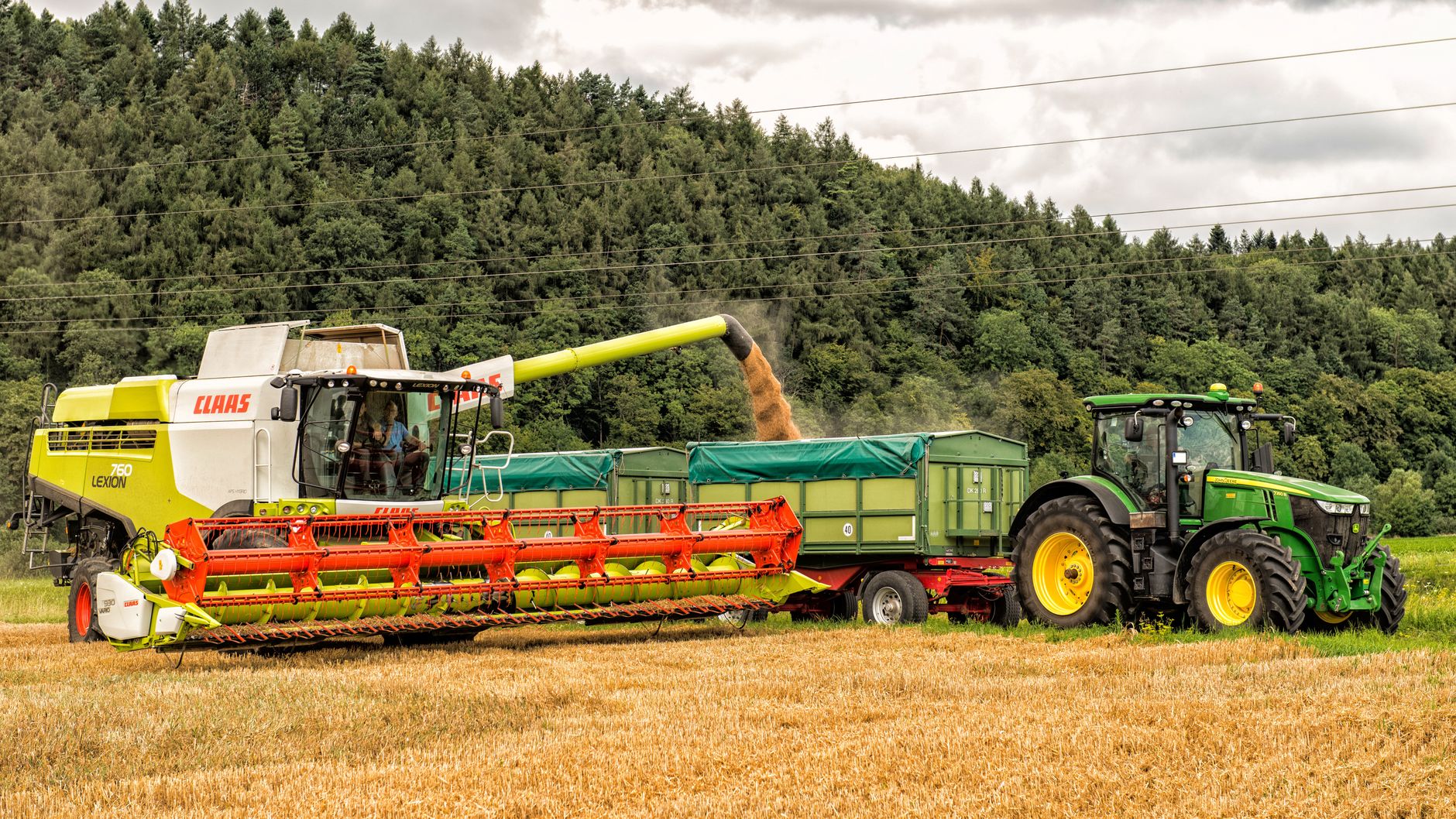
If you are asking how much is my tractor worth, the honest answer is that it depends on the asset and the question being asked. A tractor does not have one universal value. It can have a trade-in value, a private-sale value, a collateral value, or an insurable value, and each one is tied to a different premise of value and intended use.
That is why a defensible opinion starts with the machine itself: make, model, year, hours, condition, tire wear, attachments, service history, and the local market. Those details shape what a buyer would pay, what a lender would accept, and what an owner or advisor can support with documentation.
The main factors that drive tractor value
The biggest drivers of tractor value are usually the basics. Make and model matter because some brands and configurations hold demand better than others. Year matters because newer tractors tend to have lower obsolescence and, often, better feature sets. Hours matter because they are one of the clearest indicators of use, especially when compared with similar machines in the same class.
But hours never tell the full story by themselves. A tractor with moderate hours and careful maintenance may be worth more than a lower-hour machine that has been neglected, stored outdoors, or worked hard in harsh conditions. In practice, appraisers compare the subject tractor to the market for similar units and then adjust for the features and condition differences that actually move price.
Condition details that can raise or lower value
Tires deserve special attention because they can materially affect value. Tire type, tread depth, age, and matching sets all matter. Agricultural, industrial, and turf tires serve different applications, and a tractor set up for one use may not fit a buyer in another market. Worn or mismatched tires may reduce utility and create an immediate expense for the next owner.
Attachments and modifications can go either way. A loader, mower, backhoe, or other implement may add value if it is desirable, compatible, and in good condition. Aftermarket changes can also subtract value if they limit marketability or raise questions about reliability. An appraiser looks at whether the added equipment expands the buyer pool or narrows it.
- Tire type and tread condition
- Cab versus open-station configuration
- Attachment compatibility and condition
- Documented maintenance and major repairs
- Evidence of storage, use, and overall care
Different uses mean different values
A tractor can be worth different amounts depending on why the number is needed. Trade-in value is usually shaped by dealer economics, resale risk, and the condition required for a quick turn. Private-sale value reflects what a willing buyer and seller might agree on in the open market, often with more time and less dealer overhead.
Loan collateral value is more conservative. A lender is usually focused on how well the tractor supports credit risk, liquidation prospects, and marketability if a default occurs. Insurance value is different again, because the goal is coverage, not sale price. Estate, divorce, and tax-related assignments may require a specific effective date and a clearly stated premise of value, which is why the assignment instructions matter so much.
How a professional appraisal supports a defensible number
A professional appraisal is useful when the number needs to stand up to scrutiny. That includes financing, sale negotiations, partnership changes, estate settlement, divorce, insurance review, and some tax matters. A USPAP-compliant appraisal does not just produce a figure. It identifies the property, states the intended use, defines the premise and effective date, explains the data sources, and shows how the conclusion was reached.
That is the difference between an estimate and a supportable opinion of value. A well-documented appraisal gives lenders, attorneys, accountants, and owners a common reference point. It also helps reduce disputes because the reasoning is visible, not hidden behind a single number.
If you need a tractor value that is tied to the actual assignment, Jeff Martin Appraisals can review the asset and the purpose of the valuation. That is the right next step when the number has to be explained, not just stated.
Questions We Get Asked
What information do I need to value my tractor?
Start with make, model, year, serial number, hours, tire type, attachments, and condition. Service records, repair history, photos, and any recent upgrades or damage reports also help support a better conclusion.
Why do trade-in and private-sale values differ?
Trade-in value reflects dealer risk and resale costs, while private-sale value reflects a direct market transaction between buyer and seller. The same tractor can have different values depending on which market is being analyzed.
Can a tractor appraisal be used for a loan or estate matter?
Yes, if the assignment is defined correctly. The appraisal should state the intended use, effective date, and premise of value so the report matches the purpose, whether that is financing, estate settlement, divorce, insurance, or another documented need.
Do attachments automatically increase tractor value?
Not automatically. An attachment adds value only if it is desirable, compatible, and in good working condition in the market being analyzed. Some modifications help; others limit the buyer pool or add repair risk.